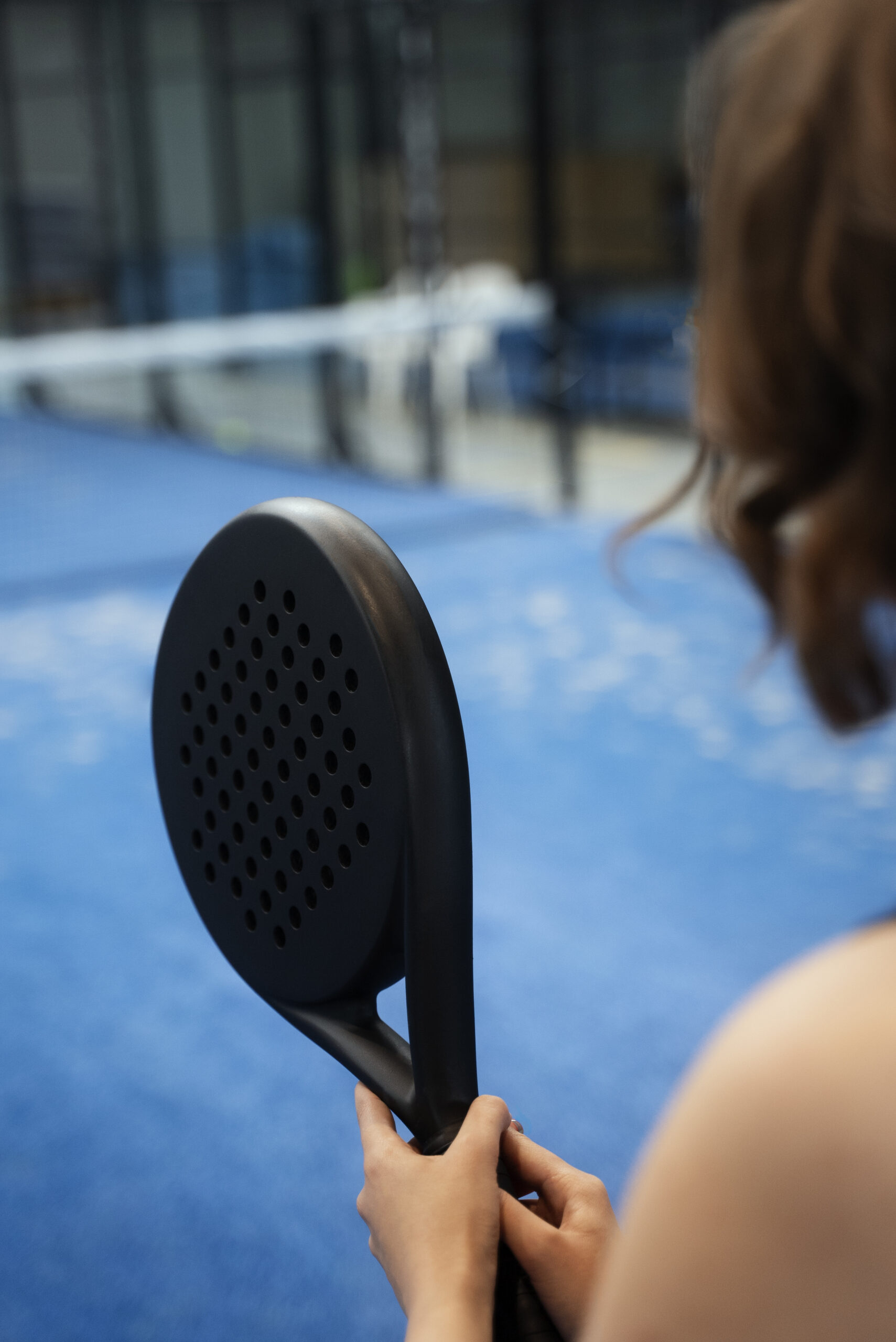
Padel,
a racket sport that blends elements of tennis and squash, is quietly reshaping the recreational landscape in the United States. Once confined to Spain and Latin America, it is now spreading rapidly across American cities, with new courts opening in Miami, Los Angeles, New York, and beyond.
The appeal lies in its accessibility. Unlike tennis, padel is played on a smaller, enclosed court where the walls are part of the game. The serve is underhand, the rallies are longer, and the pace is moderate. For beginners, this means the sport is easy to pick up and enjoyable from the very first session.
Health experts point to padel’s unique combination of benefits. It delivers cardiovascular exercise through constant movement, strengthens muscles across the body, and improves coordination and balance. At the same time, its low‑impact nature makes it suitable for players of all ages, including those returning to sport after injury or long inactivity.
Equally important is the social dimension. Padel is always played in doubles, encouraging conversation, teamwork, and connection. In an era when many Americans are seeking new ways to build community, padel offers a rare mix of fitness and friendship.
The economic side of the boom is also notable. Affordable entry‑level rackets, often priced under $100, have lowered the barrier to participation. Sporting goods companies are responding with new product lines, while clubs and recreation centers are racing to add padel courts to meet demand.
For many, padel represents more than a sport. It is a lifestyle shift — a way to stay active, meet people, and enjoy competition without intimidation. The question is not whether padel will succeed in America, but how far it will go.