Padel Medicine: Common Injuries and How to Avoid Them (Orthopaedics & Dentistry)
Padel is a dynamic, exciting, and social sport that is rapidly gaining popularity worldwide. However, like any active racket sport, padel carries certain medical risks. Sudden changes of direction, jumps, impacts against the court walls, and interaction with a partner in a relatively small area create a specific injury profile.
In this article, we will examine in detail the two main medical aspects of padel: orthopaedic problems associated with joint stress, and dental injuries, which players often forget about until an accident occurs.
🦴 Orthopaedics in Padel: Protecting Your Joints and Ligaments
Most injuries in padel are orthopaedic in nature and are related to overexertion or sudden, atypical movements on the court.
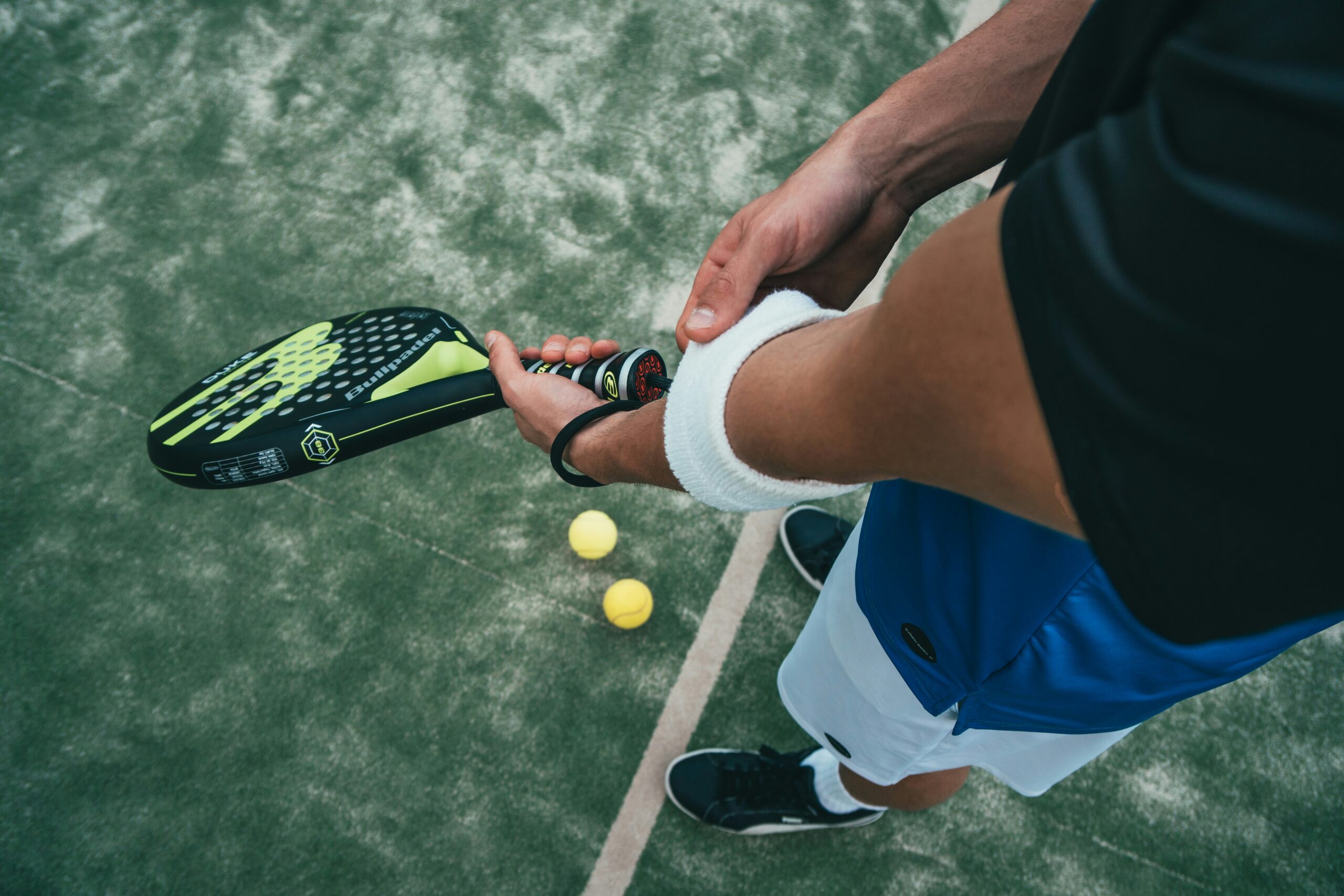
- ‘Tennis Elbow’ (Lateral Epicondylitis): This is the most well-known injury among racket sport players. It occurs due to micro-tears in the forearm tendons that attach to the outside of the elbow. In padel, this often happens because of using a racket that is too heavy or stiff, improper stroke technique (especially the backhand), or excessive vibration.
- Prevention: Use rackets with a soft core (EVA soft), anti-vibration grips, and always pay attention to stretching your forearm muscles.
- Ankle Injuries (Sprains): Padel requires constant sprints, stops, and sudden changes in direction. If your footwear lacks proper grip on the surface, the risk of twisting an ankle becomes very high.
- Prevention: It is essential to use specialised padel trainers with the correct sole (herringbone or mixed), which provides lateral stability.
- Knee Problems (Patellar Tendinitis): Frequent squatting while playing in defence and jumping for smashes (such as the víbora or bandeja) place a colossal strain on the knee joints.
- Shoulder Injuries (Rotator Cuff): Aggressive overhead shots demand great strength and range of motion from the shoulder joint. Incorrect technique can lead to tendon inflammation.
Orthopaedist’s Advice: Always start your game with a 10-15 minute warm-up. If you experience chronic joint pain, do not ignore it—consult a sports doctor. Early physiotherapy and kinesio taping can save you from lengthy treatment.
🦷 Dental Safety in Padel: An Unobvious but Serious Threat
Although padel is not a contact sport, the risk of dental injuries is surprisingly high. The enclosed space of the court (20×10 metres), the fast rebound of the ball off the glass, and the proximity of your partner make the face and teeth highly vulnerable.
Main causes of dental injuries on the court:
- A strike from a partner’s racket: This is the most frequent cause of serious facial injuries. When both players run for the same ball (especially in the centre of the court) without proper communication, a racket swing can land squarely in the jaw.
- A direct ball hit: A padel ball is quite heavy, and at high speed, a hit to the face can lead to chipped enamel or even a knocked-out tooth.
- Collision with a wall or falling: Losing your balance can result in hitting your face against the glass panel or the metal mesh.
How to protect your smile?
The most effective method of prevention is using a sports gum shield (mouthguard). Previously, they were only worn by boxers and rugby players, but today, an increasing number of professional padel players order custom gum shields. They absorb impacts, protecting not only the teeth but also the lips and cheeks, and even reduce the risk of concussion from a sudden blow to the lower jaw.
What to do if a tooth injury occurs on court?
- If a tooth is chipped, try to find the fragment—modern dentistry often allows it to be bonded back on.
- If a tooth is completely knocked out (avulsion), handle it only by the crown (not the root!), gently rinse it with water, and place it in a saline solution or milk.
- You must act immediately. You have about 30-60 minutes to save the vitality of a knocked-out tooth.
Looking for help? If you are playing in the UK and need urgent assistance following a sports injury, or if you want to order a custom protective gum shield for safe play, you can compare prices and quickly find a dental clinic on DentalPrices.uk. This service will help you find the nearest specialist to resolve any dental issue.
Conclusion
Padel should bring joy and improve your health, not create problems. Remember that investing in the right equipment (from quality trainers and an anti-vibration racket to a sports gum shield) is an investment in your sporting longevity. Play safely, always communicate with your partner on the court, and listen to your body!