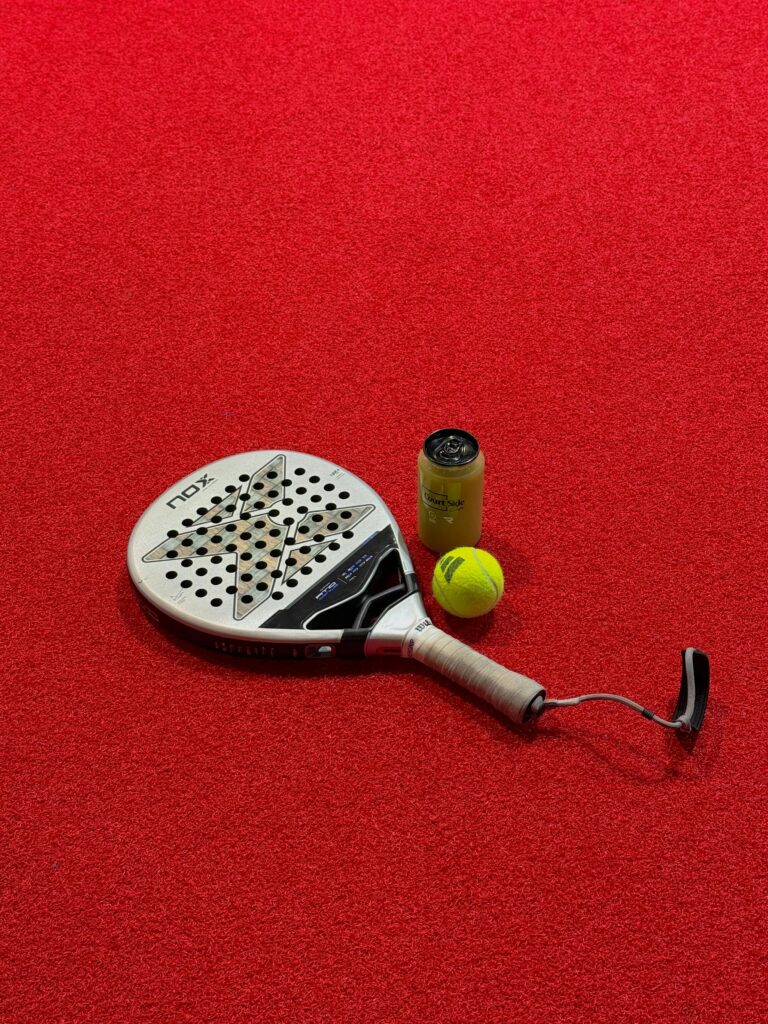
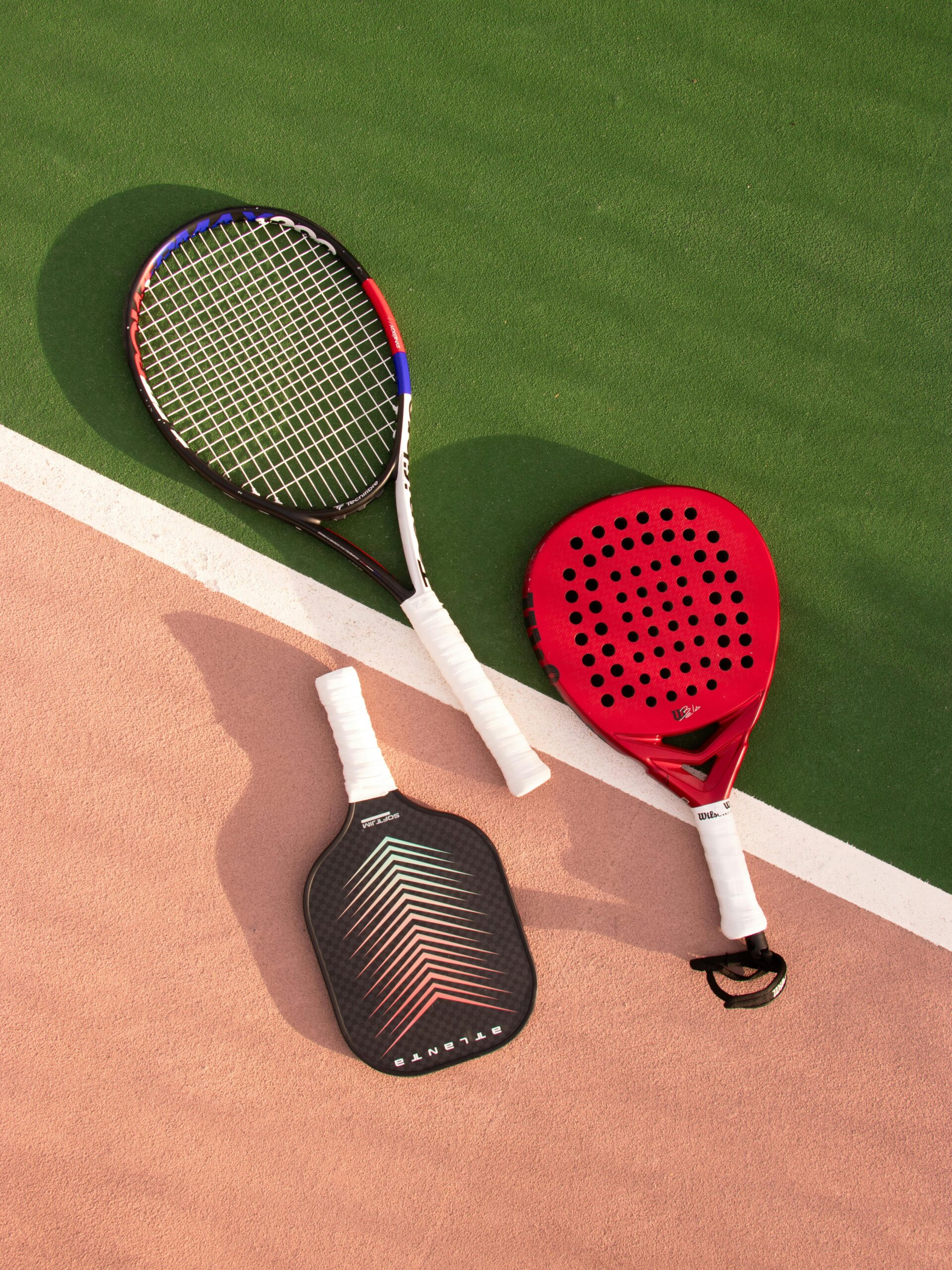
Padel versus pickleball: I’ve been offended for several months. No one can tell you what.
8–12 minutes
Somewhere between last spring and now, I became the kind of person who has opinions about court surfaces. I’m not sure how it happened. But after spending the better part of several months playing pickleball on Tuesday mornings and showing up to a padel club on weekends — sweaty, occasionally humiliated, always wanting to go back — I feel like I owe people an honest account of what these two sports are actually like.
Not the marketing version. The real one.
Because here’s the thing: everyone is talking about both of these right now, and most of what they’re saying is either “pickleball is for old people” or “padel is too expensive.” Neither of those takes is particularly useful if you’re standing in front of two options and just trying to figure out which one to try this weekend.
So let me tell you what I actually found.
They Feel Nothing Alike
This surprised me most. Before I played either one seriously, I assumed padel and pickleball were basically the same sport wearing different outfits — smaller court, solid paddle, easy to learn, fun with friends. That’s the story from the outside.
From the inside, they couldn’t be more different.
Pickleball is intimate. The court is roughly the size of a badminton court, and within about ten minutes of your first session, you’ll understand most of what’s happening. The ball moves slowly enough that you can actually think. There’s a zone near the net called the “kitchen” where you can’t volley, which forces everyone into these delicate little soft shots called dinks — and honestly, mastering the dink is its own strange meditation. Games go to 11 points. It’s quick. It’s social. No cap, it feels a little like table tennis grew up and moved outside, and the vibe is just totally different from anything you’d expect.
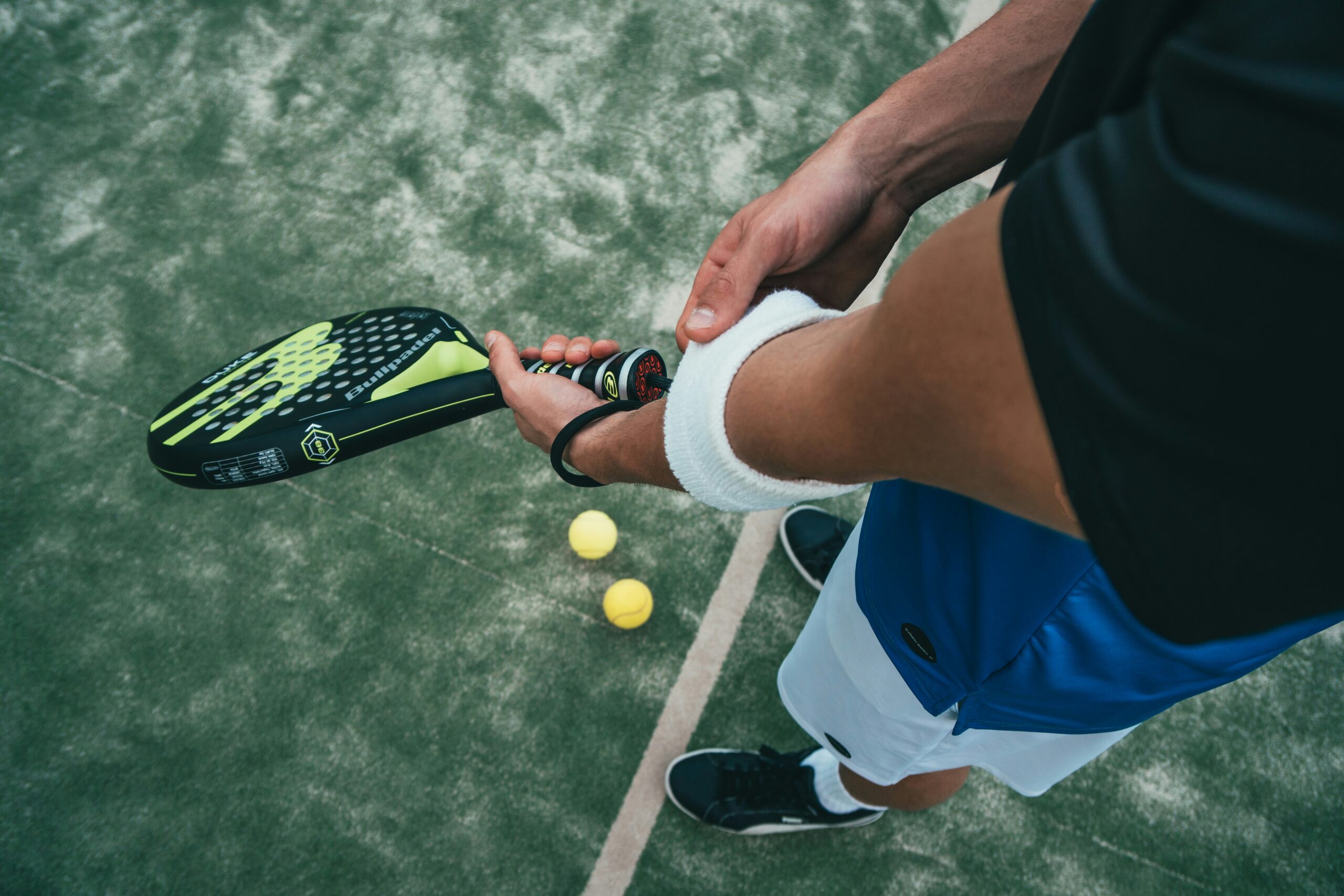
Padel is something else entirely. The court is enclosed by glass walls and metal fencing, and the walls are not decoration — they are the game. After the ball bounces, you can play it off the back glass, just like in squash. The first time you watch someone do this expertly, you’ll think it looks like a magic trick. The first time you try to do it yourself, you’ll understand why it takes a few sessions to feel natural.
That wall element rewires everything. In pickleball, if the ball goes past you, the point is done. In padel, it might be coming right back. That single difference changes your instincts, your positioning, your relationship with the back of the court — and honestly, it makes padel feel like a completely different sport from anything you’ve played before, even if you have a tennis background.
Let’s Talk About Money
Pickleball is absurdly cheap to start. A solid paddle will cost you somewhere between $30 and $80, a pack of balls is a few dollars, and in most parts of the country, public courts are free. Recreation centers often have drop-in sessions for $5 or less. I’ve genuinely spent more money on a single lunch than on an entire week of pickleball. Lowkey, it might be the best deal in sports right now.
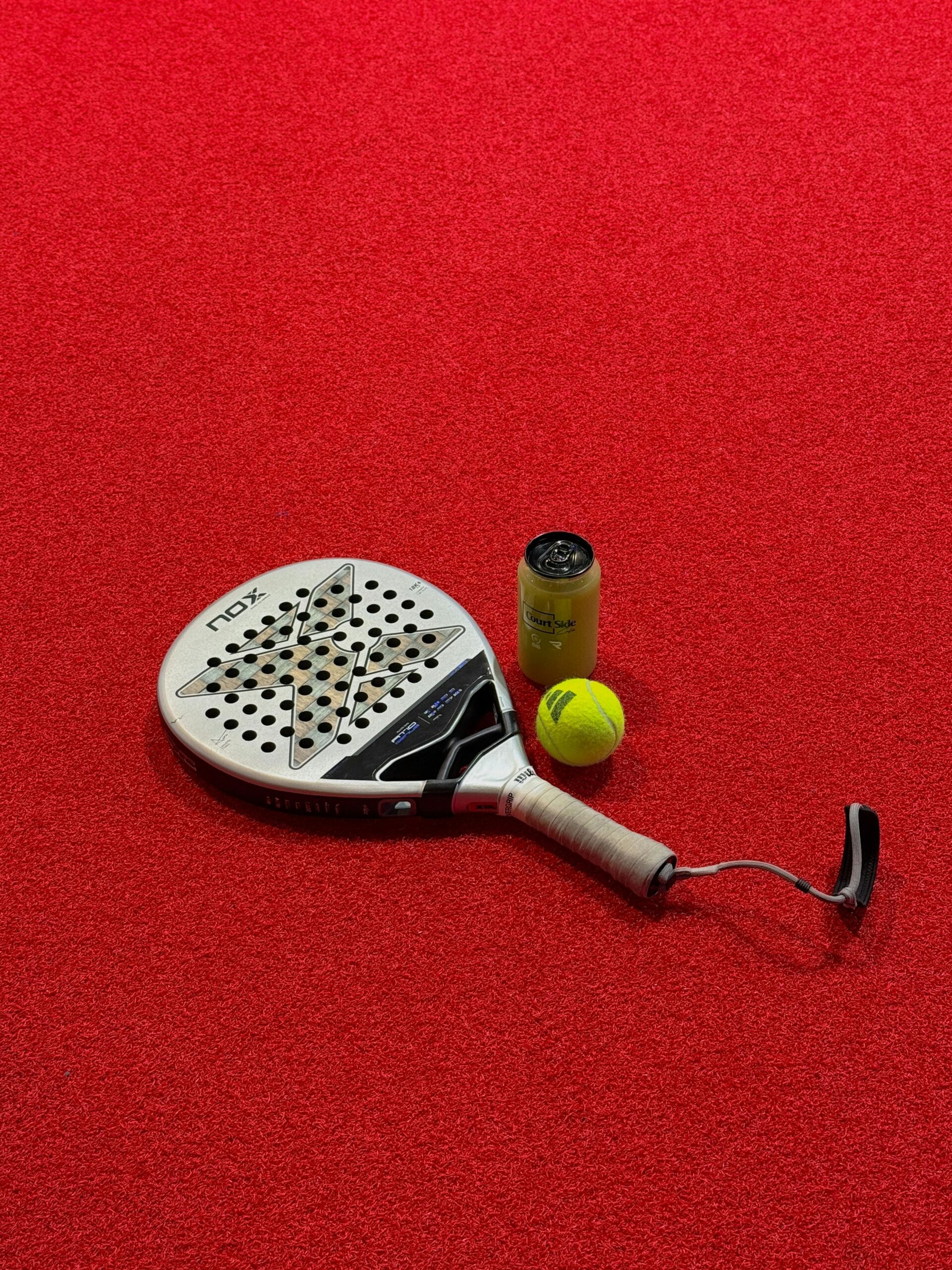
Padel costs more, and it’s worth being upfront about that. Court rental usually runs $40 to $80 per hour for four players — split evenly, that’s somewhere between $10 and $20 per person, which is reasonable but not nothing. The rackets are pricier too, ranging from $80 on the low end to well over $300 if you start getting serious. And because padel courts require glass walls and specialized construction, you can’t just stumble onto one at your local park. You need a dedicated facility.
That said, the gap is closing faster than people realize. A few years ago, finding a padel court in most American cities was genuinely difficult. Now there are clubs in Miami, New York, Austin, Los Angeles, Nashville, and dozens of other places, and many of them offer introductory sessions — racket included — for $15 to $25. It’s not free, but it’s not a country club either.
How Hard Is It to Learn?
Pickleball is one of the most beginner-friendly sports I’ve ever encountered. Within your first ten minutes, you’ll be rallying. Within your first hour, you’ll have a feel for the rhythm. That accessibility is genuinely one of its best qualities — there’s almost no athletic background required, and it’s kind to your body in a way that tennis, for example, is not.
The honest flip side of that is that the ceiling isn’t particularly high. A lot of pickleball players hit a point, usually somewhere in the first few months, where they’ve figured out the basics and the game starts to feel a little… same-y. The tactical depth exists, but it takes longer to find than in most racket sports.
Padel takes a little longer to get your footing, mostly because of those walls. Your instincts will tell you to chase every ball, and your instincts will be wrong about half the time. Learning to read the glass — when to let the ball go past you, when to move laterally instead of back — takes a few sessions. It can feel awkward at first. One guy at our padel club in Santa Monica put it perfectly: “Bro, the first week I was fully tweaking out there. I literally did not understand what was happening.” Honestly? Same.
But once it clicks, something really interesting happens. The game opens up. There are layers to padel that you keep discovering the longer you play — the positioning, the lobs, the angles off the back wall, the constant communication with your partner. I’ve been playing for months and I still feel like I’m learning. That feeling is rare in sports, and it’s genuinely addictive.
What Kind of Workout Are You Getting?
Pickleball will get you moving without wrecking you. The small court means you’re not covering huge distances, and the pace is manageable. An hour burns roughly 300 to 450 calories, mostly from quick lateral shuffles and reaction work at the net. For anyone coming back from an injury, easing back into exercise, or just not looking to destroy their knees, that’s actually ideal.
Padel is a legitimate workout. The court is bigger, the rallies last longer because of the walls, and the overhead play demands a lot from your whole body. An hour of real padel — not casual hitting, but an actual match — burns somewhere between 500 and 700 calories. I was surprised by how tired I was after my first few sessions, and I wasn’t unfit going in. A trainer I met at a club in Venice Beach told me straight up: “This thing goes crazy hard on your core without you even realizing it. You’re hella sore the next morning and you don’t even know why.”
The People You’ll Meet
One of the unexpected pleasures of trying both sports was discovering how different the cultures feel.
Pickleball has this wonderfully open, come-as-you-are energy. Drop-in sessions are everywhere, the learning curve is low enough that nobody feels embarrassed to show up as a beginner, and the community skews a bit older — the typical player is somewhere in their mid-40s to 50s. I mean that as a compliment. There’s a warmth to pickleball culture that doesn’t take itself too seriously. It’s giving community, and that’s a vibe you genuinely don’t find everywhere.
Padel feels more international. A lot of that comes from the sport’s roots — it’s massive in Spain and Argentina, and padel clubs in American cities often reflect that. The doubles format also means you’re always playing with someone, which forces a kind of social intimacy that singles sports don’t have. You’re communicating, covering for each other, celebrating together. Every match feels like a small collaboration. After a particularly wild rally at a club in West Hollywood, a stranger just looked at me and went, “That was so fire, dude. That was actually so fire.” And you know what? It was.
Can You Even Find a Court?
This is where padel still has work to do. As of early 2026, there are around 300 dedicated padel courts in the United States. Pickleball has over 44,000. That gap is enormous, and if you live outside a major metropolitan area, padel may simply not be a realistic option yet.
But it’s worth knowing how fast things are changing. The number of padel courts in the US has roughly tripled since 2023. New facilities are opening quarterly in cities like Miami, Dallas, Houston, and Los Angeles, with smaller cities starting to follow. What felt like a niche sport two years ago is starting to feel like something real. In California especially, it’s blowing up — like, for real blowing up, not just influencer-post blowing up.
So What Should You Actually Do?
If I had to give one piece of advice, it would be this: try whichever one you can access more easily, and don’t wait for the perfect moment to try the other one.
Pickleball is the right call if you want to walk onto a court this weekend with zero preparation and have a genuinely good time. It’s affordable, it’s everywhere, and it will not punish you for being a beginner. If you’re older, dealing with a nagging injury, or just want something social and low-stakes, it might be everything you need.
Padel is worth the extra effort if you’re someone who gets bored when they plateau, or if you want a sport that grows with you over years rather than months. Former tennis players especially tend to fall hard for it — the footwork and instincts transfer, but the walls make it feel completely new.
Or — and this is what a lot of people are quietly discovering — you don’t have to choose. Plenty of players are using pickleball and padel for completely different purposes. Pickleball for a casual Tuesday morning. Padel for a Saturday match when you want to actually compete. They’re different enough that one doesn’t replace the other.
The best sport is the one you’ll actually show up for. But if you haven’t stood inside a padel court yet, I’d encourage you not to wait too much longer. There’s something about that glass enclosure, the sound of the ball off the back wall, the way a rally that should be over suddenly isn’t — it gets under your skin in the best possible way. And if you’re in California and you still haven’t tried it? Bestie, what are you even doing. The court is right there.
Frequently Asked Questions
What is the main difference between padel and pickleball?
Padel uses enclosed glass walls as part of play on a larger court (20x10m), while pickleball is played on an open court similar to a small tennis court. Padel is always doubles; pickleball can be singles or doubles.
Which is easier to learn — padel or pickleball?
Both are beginner-friendly. Pickleball has a slightly simpler ruleset; padel has a steeper learning curve due to wall play but rewards tactics more richly.
Which sport is more popular in Europe?
Padel dominates Europe, particularly in Spain, Sweden, Italy, and the UK. Pickleball has a larger following in the US but is growing in Europe from a much smaller base.