 11
11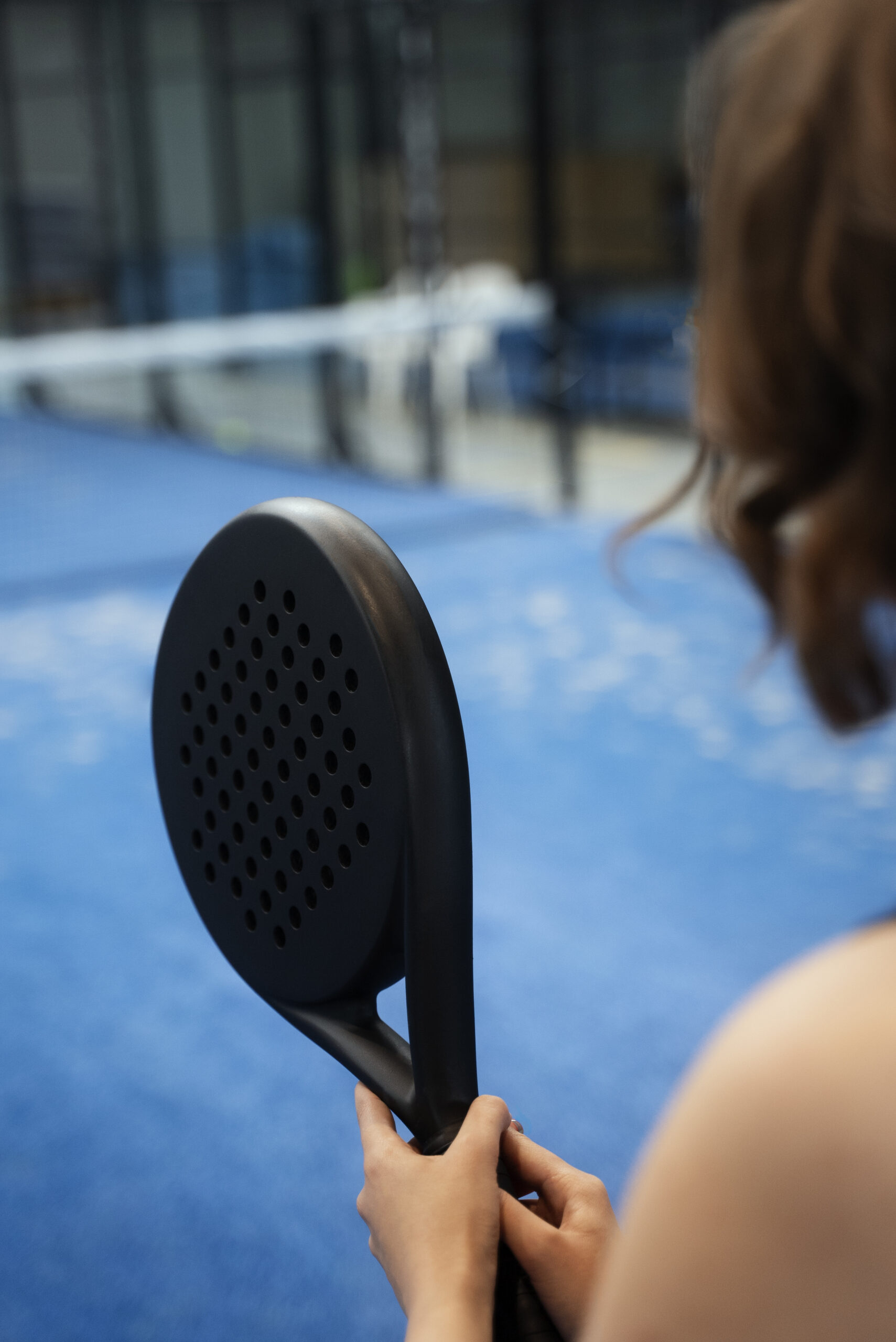
Padel is no longer a sport you need to explain at dinner parties. In 2026, it’s the fastest-growing racket sport on the planet, with over 25 million active players worldwide and new courts opening every week across the United States. Whether you’ve seen friends posting court selfies, watched viral clips of impossible wall shots, or simply walked past a glass-enclosed court and thought “what is that?” — you’re in the right place.
This guide covers everything from your first racket purchase to competitive court strategy. Bookmark it. You’ll come back to it as your game evolves.
Padel is a doubles racket sport played on an enclosed court surrounded by glass walls and metal fencing. Think of it as the perfect hybrid: the scoring system of tennis, the wall play of squash, and a social atmosphere that neither sport can match.
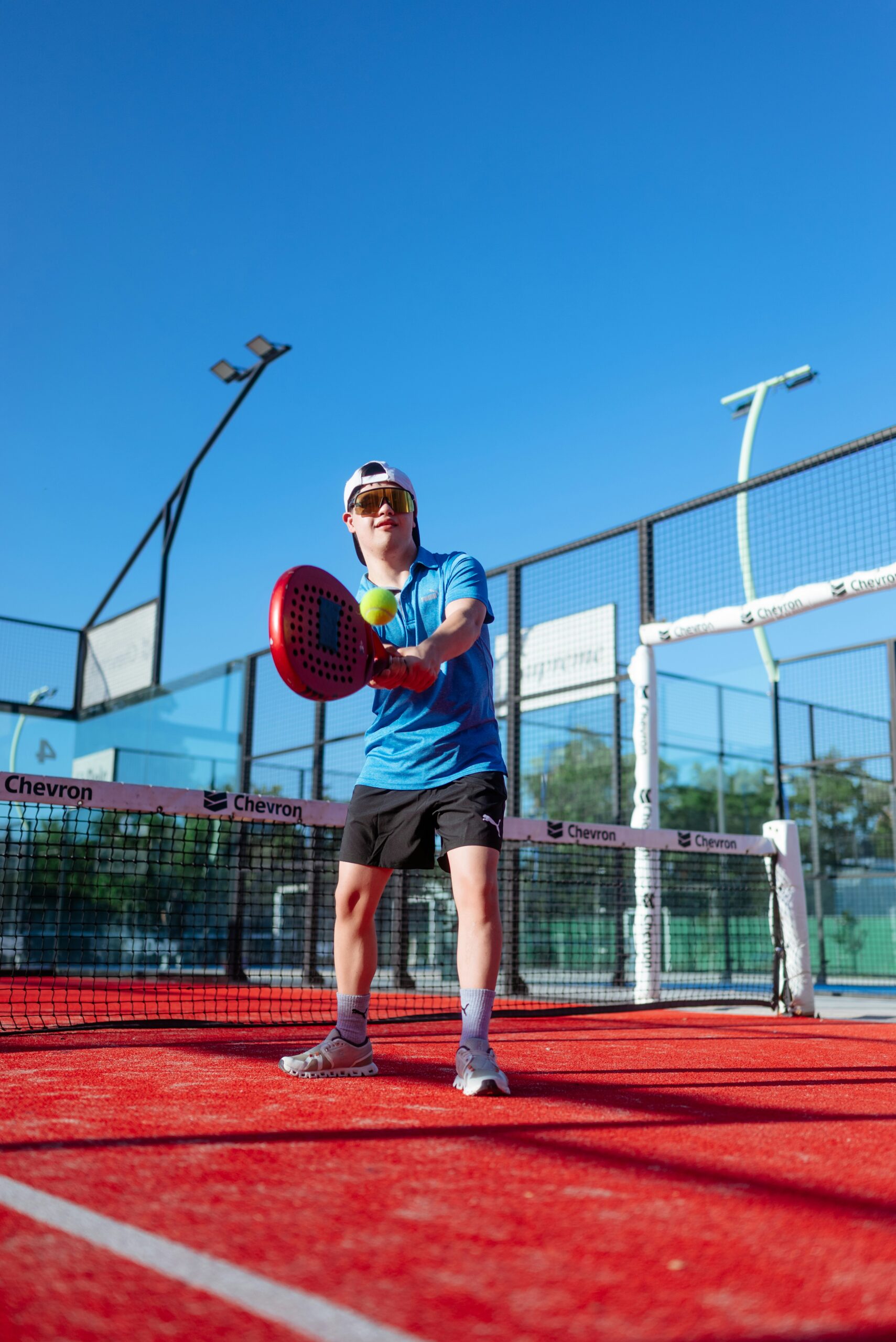
The court is roughly 20 meters long and 10 meters wide — about a third the size of a tennis court. Players use solid rackets without strings (perforated faces with a foam core) and a ball similar to a tennis ball but with slightly less pressure. The defining feature that makes padel unique: balls that hit the glass walls remain in play, creating longer rallies, more creative shot-making, and a strategic depth that keeps players hooked for years.
The sport was invented in Mexico in 1969 by Enrique Corcuera, spread to Spain and Argentina where it became a national obsession, and is now conquering the rest of the world. The US market has seen court numbers triple since 2023, with major facilities now operating in Miami, New York, Los Angeles, Austin, Houston, Dallas, Nashville, Chicago, and dozens of other cities.
→ Want the full story of padel’s global rise? Read Padel is Conquering Europe: A Sport Redefining Social Fitness
Walking into a padel store or browsing online, you’ll face a wall of options from $50 to $400. Here’s how to cut through the noise.
Every padel racket has one of three shapes, and this single choice affects your game more than any other specification.
Round rackets have a circular head with the sweet spot centered in the middle. The weight sits closer to your hand, making the racket easy to maneuver. Round shapes offer maximum control, the largest forgiveness zone for off-center hits, and the most comfortable feel. This is the shape every coach recommends for beginners — and many intermediate players never leave it.
Diamond rackets have a pointed head with weight concentrated at the top. They generate more power on overhead shots and smashes but punish technical mistakes harshly. Off-center hits feel jarring and the racket feels heavy during long rallies. Diamond shapes are designed for advanced players with clean, consistent technique. Buying one as a beginner is the most common equipment mistake in the sport.
Teardrop rackets split the difference — moderate sweet spot, balanced weight distribution, a blend of control and power. They’re a solid choice for intermediate players transitioning from a round racket.
Recommendation: Start with a round racket. No exceptions. Save the diamond shape for after your first year of consistent play.
Padel rackets range from 340 to 385 grams. Lighter rackets (340–355g) are easier to swing and cause less fatigue — ideal for beginners, women, and older players. Medium weight (355–370g) suits most adult male beginners. Heavy rackets (370g+) generate more power but strain your arm faster.
Safe starting range: 350–365 grams.
The foam core inside your racket determines feel and power. Soft EVA foam absorbs impact, creates a trampoline effect, and reduces vibration — perfect for beginners. Hard EVA foam gives a crisper, more precise feel but transmits more shock. Some rackets use polyethylene foam, which is even softer than EVA.
For your first racket: choose soft EVA or polyethylene. Comfort and forgiveness matter more than precision at this stage.
Skip anything under $50 — the materials won’t last. The sweet spot for beginners is $80–$150 from established brands like Head, Bullpadel, Wilson, Nox, or Adidas. You’ll get proper foam, decent build quality, and a racket that serves you well for your entire first year.
→ For a deeper dive, read How to Choose the Perfect Racket for Your Playing Style
Padel shoes are non-negotiable. The sandy artificial turf on padel courts is slippery in regular sneakers. Padel-specific shoes or clay court tennis shoes provide the herringbone or omni-pattern grip you need. Budget $60–$100 for a solid pair from Asics, Head, or Adidas.
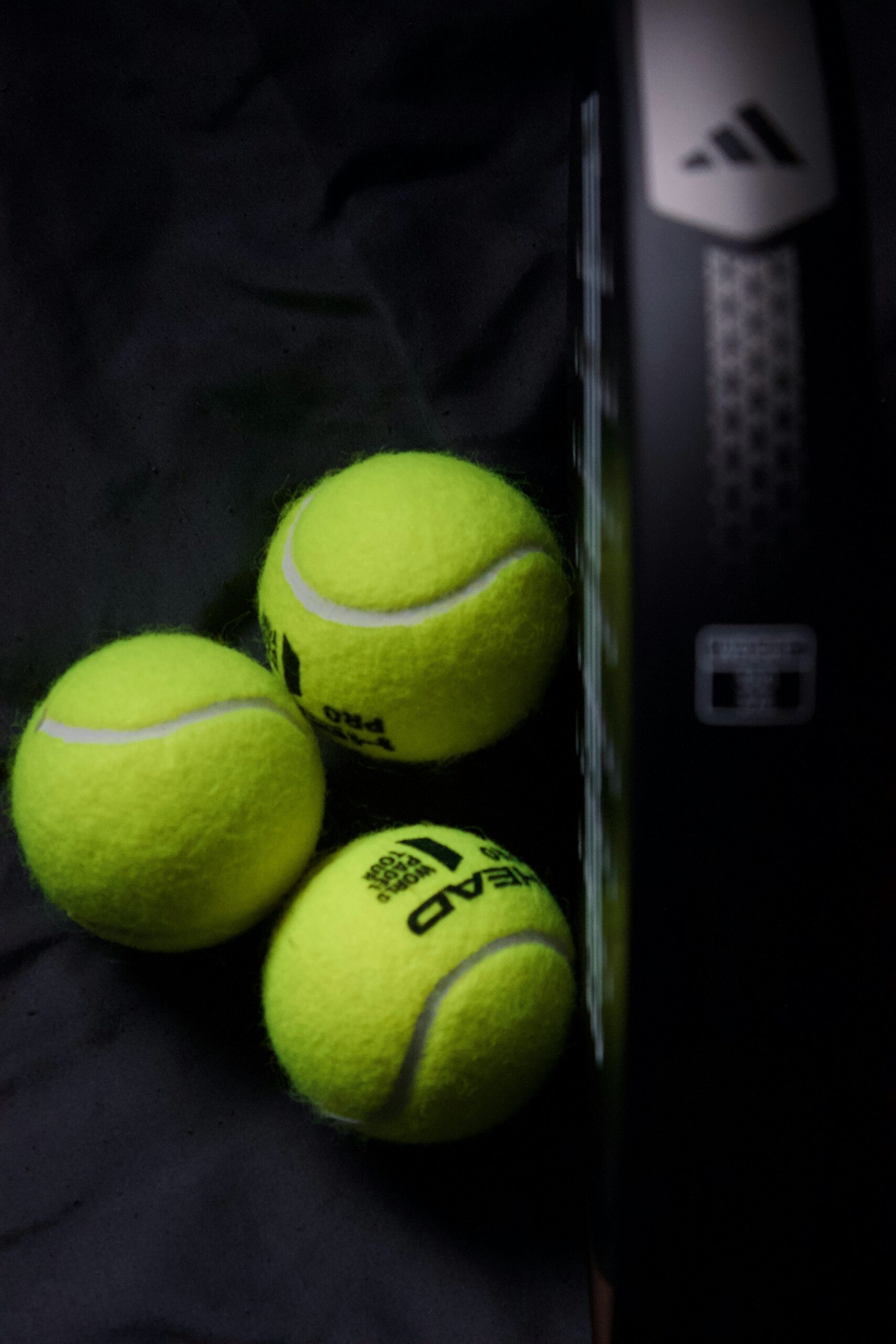
Balls look like tennis balls but have less internal pressure, making them slower and easier to control. A can of three costs $5–$8. Head Padel Pro and Wilson Padel Tour are widely available in the US.
Overgrip is a thin wrap that goes over your racket’s existing grip. It improves sweat absorption and comfort for about $3–$5. Replace it every few weeks.
Everything else — wristbands, specialized bags, vibration dampeners — is optional for beginners. Don’t overcomplicate your gear until you know what your game actually needs.
→ Curious about accessories that matter? Check out Padel Accessories You Didn’t Know You Needed
Padel’s rules are intuitive if you know tennis, with a few key differences.
Scoring is identical to tennis: 15, 30, 40, game. Sets go to six games with a tiebreak at 6-6. Matches are typically best of three sets. Many formats use “golden point” at deuce — a single deciding point where the receiving team chooses which side to receive from.
Serving is always underhand. Bounce the ball behind the service line, then hit it below waist height diagonally into the opponent’s service box. You get two serve attempts. The serve must bounce in the box before hitting the glass wall — a serve that hits the fence after the bounce is a fault.
Wall play is what makes padel unique. After the ball bounces on the ground on your side, it can hit the back wall or side wall and you can still play it. However, the ball must always bounce on the ground on the opponent’s side before hitting their walls. You can also play the ball off your own walls before sending it back over the net — creating angles impossible in any other racket sport.
Court positions are critical. The team at the net controls the point. The team at the back is on defense. Every rally is essentially a battle for net position.
→ Need a focused rules breakdown? Read Padel for Absolute Beginners: Simple Rules, Easy Start & Why You’ll Love It
Master these five and you’ll be competitive at any recreational level.
Your bread-and-butter shots from the back of the court. Use the continental grip, keep your swing compact, and focus on direction over power. The goal isn’t winners from the baseline — it’s keeping the ball deep and setting up chances to move forward.
Hit at the net without letting the ball bounce. The key cue: “punch, don’t swing.” Short, firm pushes with a stable wrist. Keep your racket in front of your body and step into the ball. Compact volleys win more points than big swinging volleys because they give opponents less reaction time.
The underhand serve feels strange coming from tennis, but it’s straightforward. Bounce, pendulum swing, contact below your waist, aim diagonally. Consistency over speed — always. A serve that goes in every time beats a powerful serve that misses half the time.
The most important defensive shot and the most underused by beginners. When opponents control the net, a high deep lob over their heads forces them to retreat. This gives you and your partner the chance to move forward and claim the net. Aim for the back third of the court with enough height that opponents can’t intercept.
Your first intermediate shot. The bandeja is a controlled overhead hit — not a full smash, but a sliced, angled shot that keeps you at the net while pushing opponents back. Learning the bandeja is the gateway to serious padel because it lets you maintain the offensive position that wins points.
→ Master this crucial shot: How to Conquer the “Bandeja” and Shine on the Court
Technique gets you on the court. Strategy wins you matches.
The most important concept in padel. The team at the net wins the majority of points at every level. Everything you do should aim at getting to the net (offense) or pushing opponents away from it (defense).
The basic pattern: hit a deep shot that forces opponents into a difficult position, then move forward. From the net, volley returns into open spaces. Repeat.
You and your partner are connected by an invisible rope. When one moves left, the other moves left. When one moves forward, the other follows. Independent movement creates gaps that opponents exploit easily.
Maintain roughly 4–5 meters of spacing. Closer means you’re covering the same zone. Further apart creates a highway between you.
When opponents are at the net, beginners instinctively blast passing shots. In padel, that rarely works — two net players cover too much court and the walls extend their reach.
Instead, lob deep. Force both opponents to retreat to the back wall, giving you free passage to the net. The lob-and-advance sequence is the most effective point-building pattern in padel.
Most recreational points are lost, not won. The team with fewer unforced errors usually takes the match. Keep the ball in play, wait for a weak return, then apply pressure. Professional players often rally for fifteen or twenty shots before finishing a point. The walls keep everything alive — be patient and let opponents make mistakes first.
Two good zones exist on a padel court: the net (2–3 meters behind it) and the back (near the wall). The middle — between service line and net — is a dead zone where every ball feels awkward. Transition through the middle quickly but never camp there.
Week 1: Grip and basic contact. Learn the continental grip, bounce balls on your racket, hit gentle wall rallies. Don’t play matches yet.
Week 2: Serves and rallies. Practice underhand serves — aim for seven out of ten in the correct box. Rally with a partner from the back, counting consecutive hits.
Week 3: Net play. Learn the volley and lob. Practice the transition from back court to net — hit deep, then move forward. This is where padel starts feeling like a real sport.
Week 4: Match play. Full doubles points. Focus on three things: get your serve in, move to the net when possible, lob when opponents are at the net. Don’t worry about score — focus on executing basics.
By month’s end, you’ll be a legitimate padel player capable of enjoying social matches and understanding the strategic depth that makes this sport addictive.
→ Want specific improvement tips? Read 5 Padel Tips for Beginners to Accelerate Your Progress
After your foundation month, the path branches in exciting directions. Advanced wall play — reading double-wall bounces and playing balls off the side glass. Intermediate overhead shots like the vibora. Deeper doubles formations, communication systems, and tactical patterns.
Padel rewards patience, consistency, and smart play over raw athleticism. It’s one of the few sports where a strategic 50-year-old can genuinely compete with an athletic 25-year-old. That accessibility, combined with bottomless tactical depth, is why millions of people worldwide have fallen in love with this game.
Welcome to padel. Your first match is the beginning of something you’ll enjoy for decades.
A padel racket (£70–£130 for beginners), padel balls, and court shoes with a non-marking sole. Most clubs rent rackets if you want to try the sport first.
Padel is always played as doubles — four players on a court divided by a net, enclosed by glass walls and metal fencing.
Yes — padel is the fastest-growing racket sport in the UK with hundreds of new courts opening across England, Scotland, and Wales since 2022.