Popular Posts

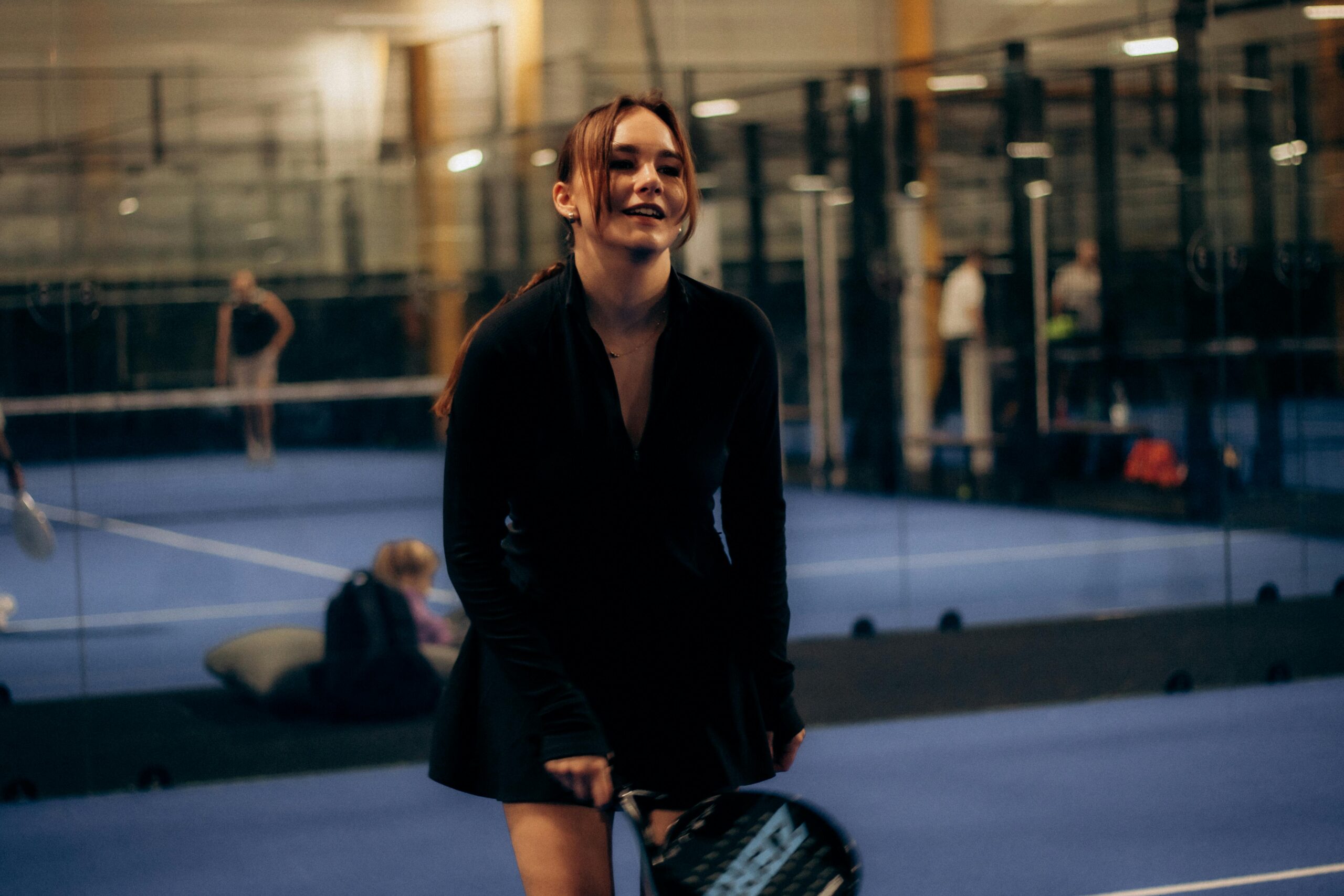
Woman smiling while holding a padel racket on an indoor padel court

Padel Rules for Beginners — How to Play in 5 Minutes (2026)

TL;DR: Padel is a doubles-only racket sport played on an enclosed court about a third the size of a tennis court, where the ball can bounce off the surrounding glass and metal walls and stay in play. Scoring matches tennis (15-30-40-game), serves are underhand, and matches typically last 60-90 minutes.

By Miro
January 2026

I remember standing outside a padel court for the first time and genuinely not knowing what I was looking at. It looked like someone had taken a tennis court, shrunk it down, wrapped it in glass and metal fencing, and said — yeah, that’s a sport now. The two people playing inside were laughing between points, the ball was doing things off the walls that made no immediate logical sense, and I thought to myself: I either have to try this immediately or I never will.

I tried it immediately. And if you’re reading this, you’re probably at roughly the same moment I was — curious, a little confused about the rules, not sure if this is something you’ll be able to actually play or just something you’ll watch other people play while quietly feeling lost. I want to answer every question you have before you set foot on a court, so that when you do show up, you feel like you belong there from the very first point.


So What Actually Is Padel?

The simplest honest description is this: padel is what you’d get if tennis and squash had a child who turned out to be more fun and more social than either parent.

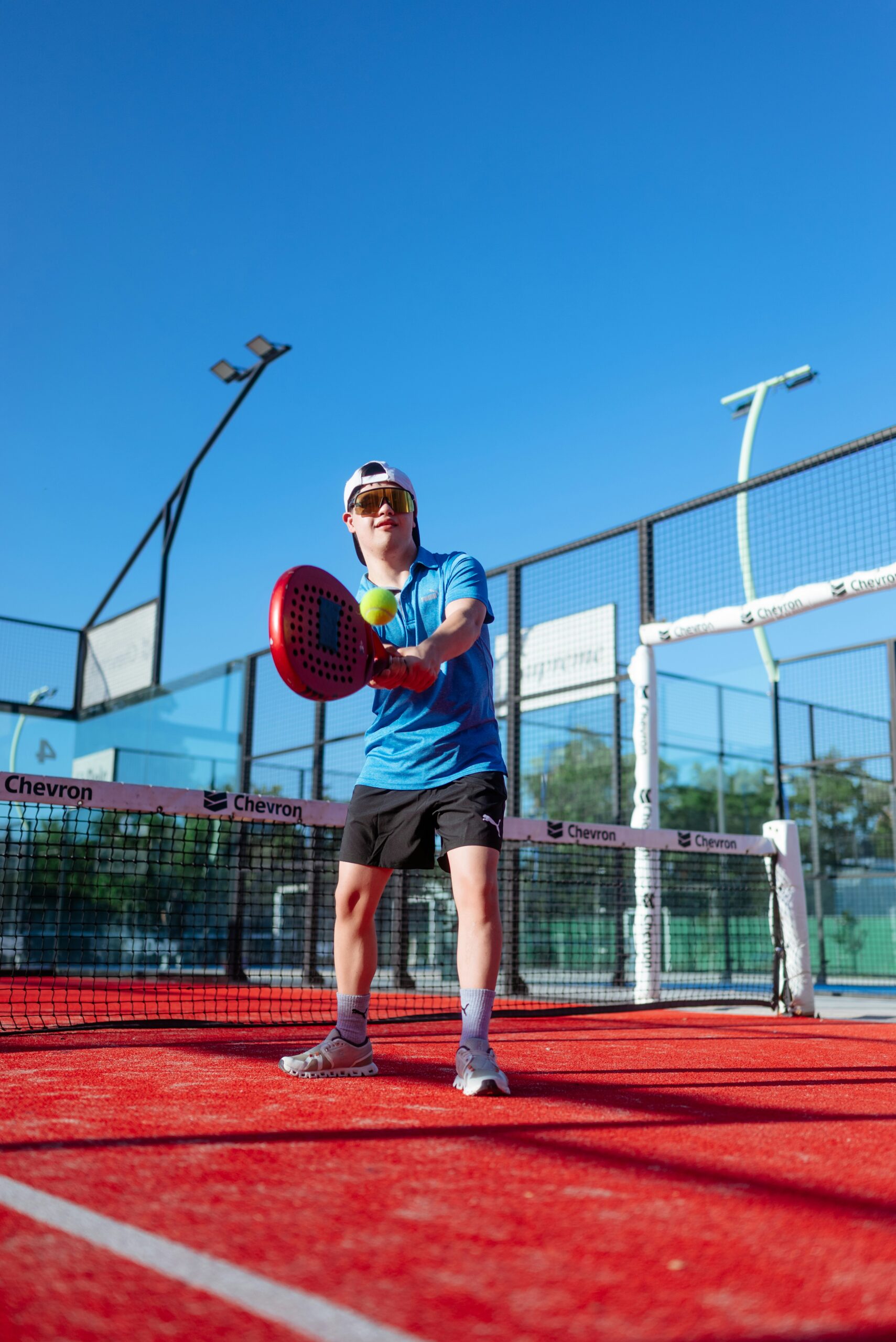
It’s played on an enclosed court roughly one-third the size of a tennis court, surrounded by glass walls and metal fencing. There are always four players — two on each side, always doubles, no exceptions. The ball looks and feels like a tennis ball with slightly less pressure, and the rackets are solid and perforated rather than strung, which gives you a completely different feel on contact than anything you’ve used before.

The walls are the thing that makes padel padel. After the ball bounces on the ground, it can hit the back glass and come back into play — and you can use that. You can deliberately play off the wall. You can let a ball you thought was behind you come back to you off the glass and hit it from a completely different position than you expected. This is the part that looks like a magic trick when you first see it, and the part that becomes genuinely addictive once you learn to use it. We went deep on exactly that skill in How to Master the Back Wall: The Skill That Separates Beginners From Everyone Else — worth bookmarking for when you’re ready.


The Rules Are Simpler Than You Think

Here’s the thing about padel rules that nobody tells you upfront: you already understand most of them. If you’ve ever watched tennis, the scoring is identical — 15, 30, 40, game. Six games make a set. Matches are typically best of three sets. Tie-breaks at 6-6. If you’ve never watched tennis in your life, it takes about ten minutes to internalize and then it just becomes background knowledge you don’t think about anymore.

The serve is underhand, which immediately removes one of the most intimidating parts of tennis for beginners. You toss the ball, let it bounce once, and hit it below waist height into the opponent’s service box diagonally across the net. It needs to land in the correct box, and if it hits the side or back wall after landing in the right box, that’s completely fine — it’s still in play. Miss the box, or serve overhand, and you lose the point.

After the serve, the basic rule is the same as tennis: the ball can only bounce once on the ground on your side before you have to hit it. The difference is that glass walls on your side are fair game after that bounce — so if the ball comes toward you and you’re not sure you can reach it before it goes past, let it hit the back glass first. It will come back. This is the mental adjustment that takes most beginners about two sessions to fully trust, and it changes everything once you do. If you want to get ahead of that adjustment before your first session, Five Things I Wish Someone Had Told Me Before My First Month of Padel covers exactly this and four other things that will save you weeks of confusion.


How Long Is an Actual Match?

A standard padel match runs somewhere between 60 and 90 minutes depending on how competitive the players are and how long the rallies go. For most recreational players, it sits comfortably in the 75-minute range — long enough to feel like a real game, short enough that you never feel like you need to escape.

For absolute beginners, shorter friendly games are completely normal and honestly ideal. A lot of clubs offer introductory sessions that are structured around shorter formats specifically because getting a feel for the rhythm of the game matters more at the beginning than playing full sets. Don’t feel any pressure to immediately commit to a full match — one set, or even just a long practice rally session with someone showing you the basics, is a completely legitimate way to start.


What a Typical Padel Match Actually Feels Like

The rallies are short to medium length at most levels of recreational play, which means points come and go quickly and the game has a natural rhythm that’s easy to follow even when you’re new. There’s a lot of movement near the net — padel rewards teams that control the front of the court — and a lot of strategic back-and-forth where one team is trying to push the other team into the back corners while advancing forward themselves.

Because it’s always doubles, every single match has a social element baked in. You’re constantly communicating with your partner, covering for each other, celebrating points together. This is one of the things that makes padel so different from gym workouts or running — the interaction is constant and it makes the time go faster than you’d believe. I’ve had sessions that felt like 20 minutes that turned out to be over an hour. That doesn’t happen to me on a treadmill.

A match also has a rhythm between points that you don’t get in most sports. There are natural pauses, and good partners use them — thirty seconds of quick feedback after a point, adjusting tactics, figuring out what’s working. “They keep hitting to my backhand, I’ll shift left.” “That lob is working, let’s use it more.” It sounds minor but it compounds into a real advantage over a full match, and it’s genuinely one of the most satisfying parts of the doubles format once you start using it. For more on how communication actually changes outcomes, The Partner Communication Guide: How to Win More Points by Talking More is worth a read.


The Mistakes Almost Every Beginner Makes

I made all of these, so I say this with zero judgment and complete solidarity.

The first one is trying to hit the ball as hard as possible. This is the instinct that every racket sport background trains into you, and padel specifically punishes it. The enclosed court means power doesn’t help you the way it does in tennis — the walls give opponents a chance to retrieve almost anything you smash — and fast swings amplify every small technical error in a way that slow, controlled swings don’t. Deliberately hitting at about 70% of your maximum for your first few sessions will feel wrong and will produce noticeably better results. It’s one of those counter-intuitive things that just works.

The second mistake is fighting the walls instead of using them. Every beginner’s instinct is to chase every ball before it gets past them, which means lunging at deep shots that are heading toward the back glass, mishitting them, and wondering what just happened. If you let those balls go past you, they come off the glass and land in a comfortable position to play from. The wall is not your enemy. It is, lowkey, your most useful teammate.

The third is positioning — specifically, ending up in the middle of the court, caught between the net and the back wall, not fully committed to either. This is the most dangerous place to be in padel. The worst outcomes happen in no-man’s land. When your opponents push you back with a lob, go all the way to the back. When you hit a shot that puts opponents on defense, move forward toward the net. Commit one way or the other, and the game starts to make a lot more spatial sense.

The fourth is the serve specifically — forgetting that the ball has to bounce in the correct diagonal service box before it can touch the walls. The underhand part beginners usually get right immediately. The bounce placement is the part that catches people out in the first session or two.


Why This Sport Specifically Works for Beginners

I’ve tried to get into a lot of sports as an adult and most of them have what I’d describe as a dignity tax — a period where you’re so obviously terrible that every session requires a small act of psychological bravery just to show up. Padel has a shorter dignity tax than almost any sport I’ve encountered.

The underhand serve removes the most technically demanding part of tennis from day one. The smaller court means you’re never covering embarrassing distances. The wall play, once you understand that it’s there to help you rather than confuse you, actually makes rallies last longer than they would otherwise — which means even beginners get to experience real gameplay, real back-and-forth, real competitive moments, much faster than in most sports.

Most people can play an enjoyable full match within one or two sessions. Not a perfect match. Not a tactical masterclass. But a real, fun, genuinely competitive game where both teams are contributing and nobody feels like they’re just standing there watching the more experienced players perform. That threshold matters enormously for whether people come back, and padel clears it faster than anything else I’ve played.

For equipment, you don’t need to overthink it at the beginning — most clubs rent rackets for introductory sessions and the investment is very manageable. When you’re ready to buy your own, How to Choose the Perfect Racket for Your Playing Style breaks down exactly what to look for without drowning you in technical jargon. Short version: there’s a sweet spot between underspending and overspending, and it’s easier to find than most gear guides make it sound.


The Bigger Picture: Where This Sport Is Going

Padel is genuinely one of the fastest-growing sports in the world right now, and the United States is in the early stages of what’s already happened in Spain, Argentina, and across Europe — where it’s not a niche sport anymore but a mainstream recreational activity that competes directly with tennis and gym culture for people’s time and money.

As of early 2026, there are around 300 dedicated padel courts across the US, concentrated in major cities. That number has tripled since 2023. If you’re in California, Florida, Texas, or any major metropolitan area, there’s almost certainly a court within driving distance already. If you want to understand where padel fits in the broader American sports landscape and how it compares to pickleball — which is the question everyone asks — we went deep on that in Padel vs. Pickleball: I Tried Both for Months. Here’s What Nobody Tells You.

And if you want everything — the complete picture of rules, equipment, technique, clubs, and strategy in one place — Padel 2026: The Complete Guide from Choosing Your Racket to Mastering the Court is exactly what it sounds like.


One Last Thing Before You Go

If you’re in California and you’re still on the fence about whether to actually book a session, bestie — the vibe on a padel court is genuinely something you have to experience to fully understand. There’s something about the glass enclosure, the sound of the ball off the back wall, the way everyone in the court is somehow both competing and laughing at the same time — it gets under your skin in about twenty minutes and doesn’t really leave.

Show up once. Borrow a racket, find a club that offers an intro session, and give yourself one hour. Most people who do never really stop. And the ones who wait for the perfect moment to start usually wish they hadn’t waited so long.


Padel is a doubles racket sport combining elements of tennis and squash, played on an enclosed court with glass and mesh walls that keep the ball in play after it bounces.

Frequently Asked Questions

What are the basic rules of padel for beginners?

Padel is played in doubles on an enclosed court. Serves are underhand and diagonal, the ball may bounce once before you hit it, and after that bounce it can also come off the back or side glass and stay in play. Scoring follows tennis: 15-30-40-game, six games per set, best of three sets.

Is padel scoring the same as tennis?

Yes. Padel uses identical scoring to tennis, with six games per set and tie-breaks at 6-6, usually played best of three sets.

Can you use the walls in padel?

Yes, and you’re expected to. After the ball bounces once on the ground, it can hit the back or side glass and remain in play.

How long does a padel match last?

Most recreational matches run 60-90 minutes, with 75 minutes being typical; beginner sessions are often shorter.

What’s the biggest rule mistake beginners make in padel?

Forgetting the serve must land in the correct diagonal service box before touching any wall.

Leave a Reply

Your email address will not be published. Required fields are marked *